Understanding GHS Label Requirements
Knowing and complying with GHS label requirements is essential for anyone handling chemicals in the workplace. The Globally Harmonized System of Classification and Labeling of Chemicals (GHS) was developed by the United Nations to standardize the way chemical hazards are communicated worldwide. Proper labeling ensures safety, regulatory compliance, and easier chemical transport across borders.
What is GHS and Why Does It Matter?
The GHS provides a universal approach to chemical classification, hazard communication, and labeling. Before its introduction, countries used inconsistent labeling systems, which increased the risk of accidents and confusion during chemical transport. By following these requirements, manufacturers, importers, distributors, and employers can reduce safety risks and streamline operations.
In the United States, the Occupational Safety and Health Administration (OSHA) incorporated GHS into its Hazard Communication Standard (HazCom) in 2012. Compliance with GHS labeling requirements is now mandatory for chemicals handled in workplaces covered by OSHA regulations.
Key Components of GHS Chemical Labels
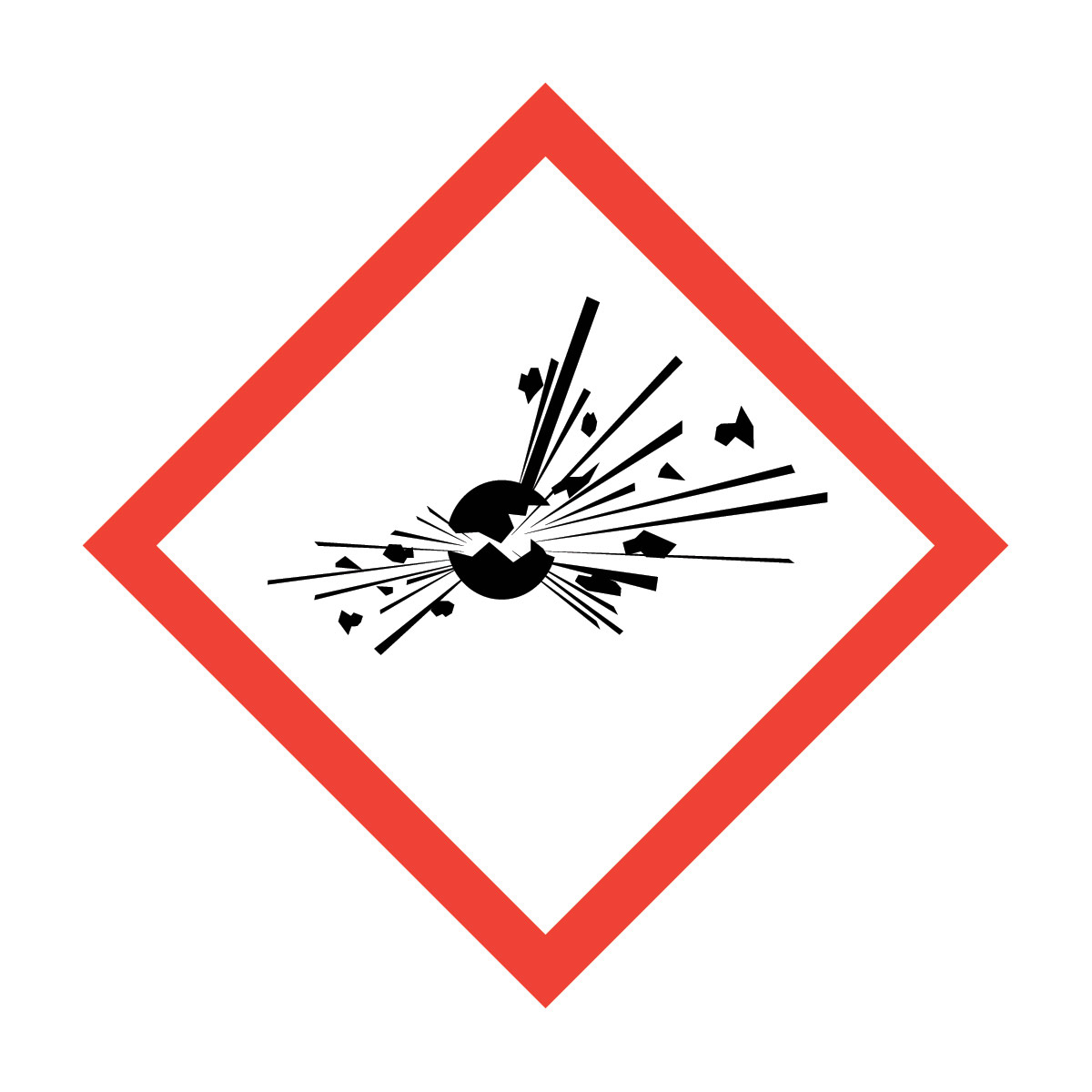
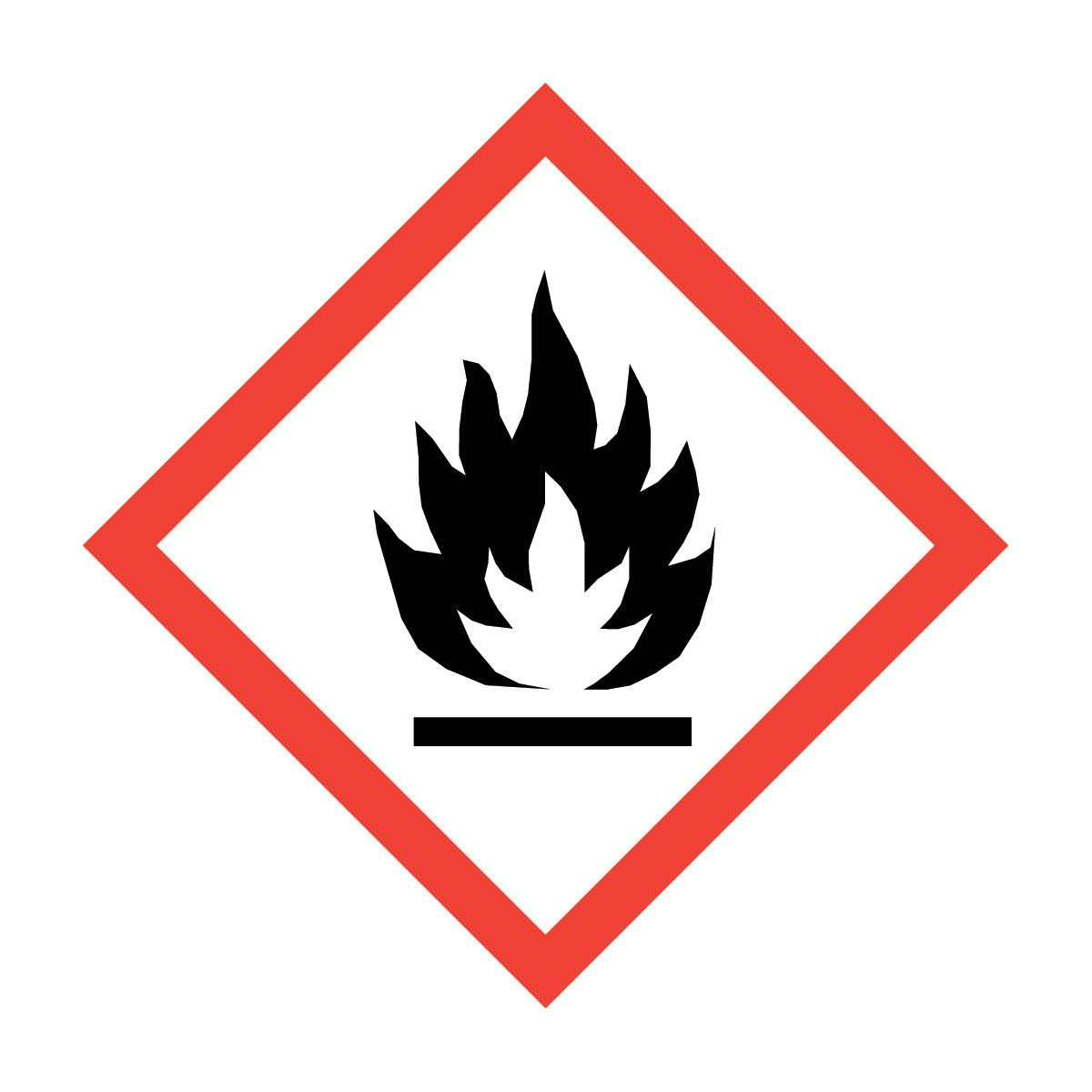
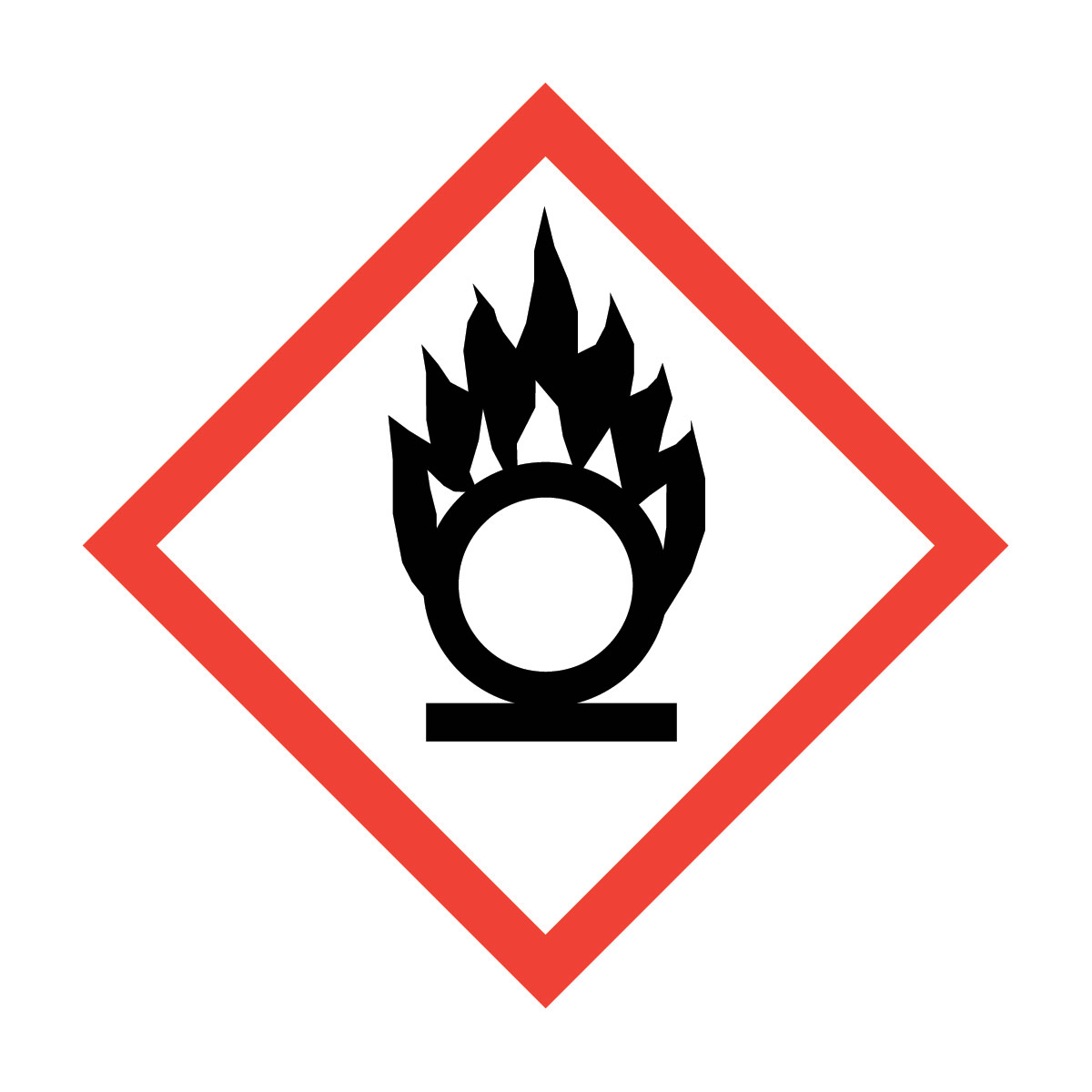
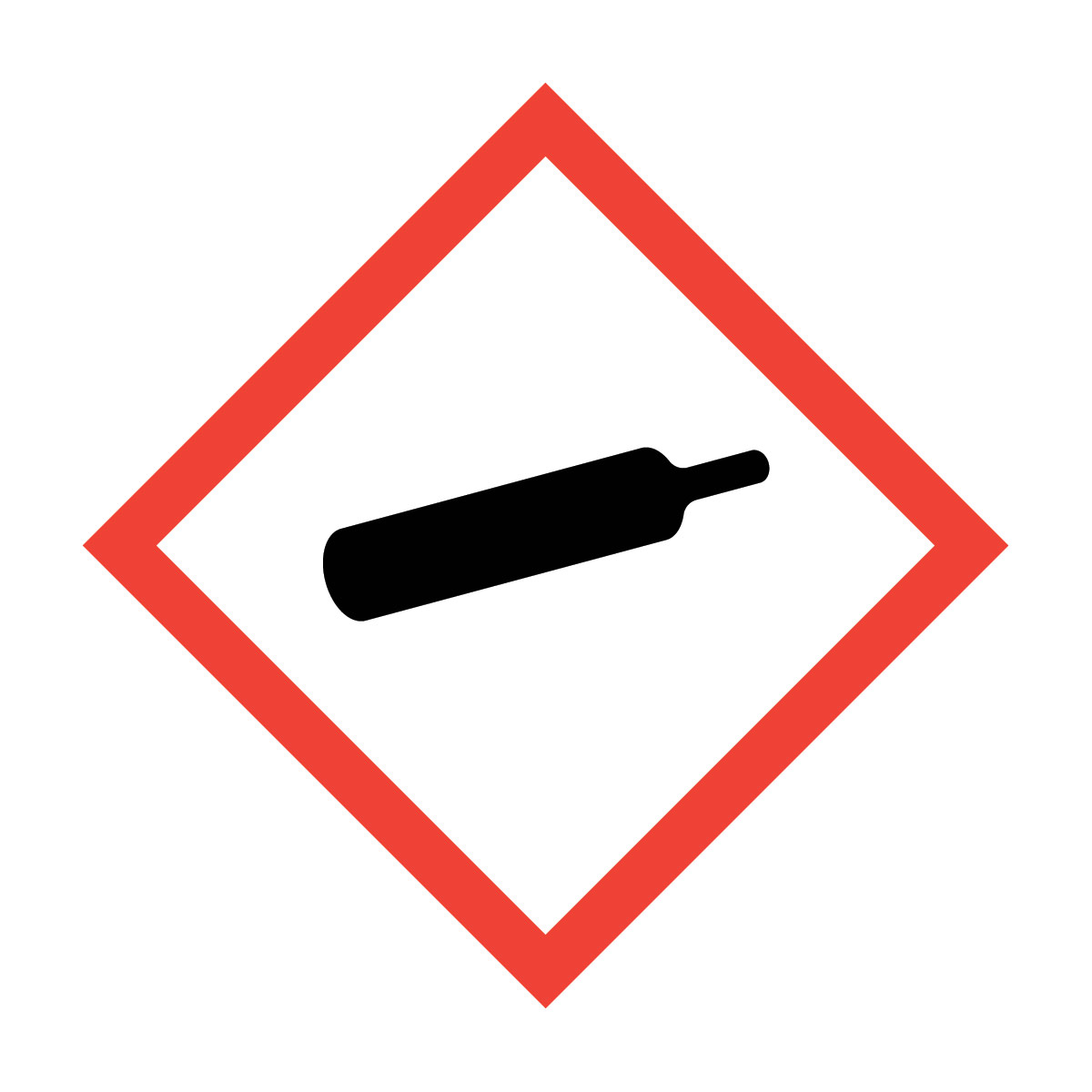
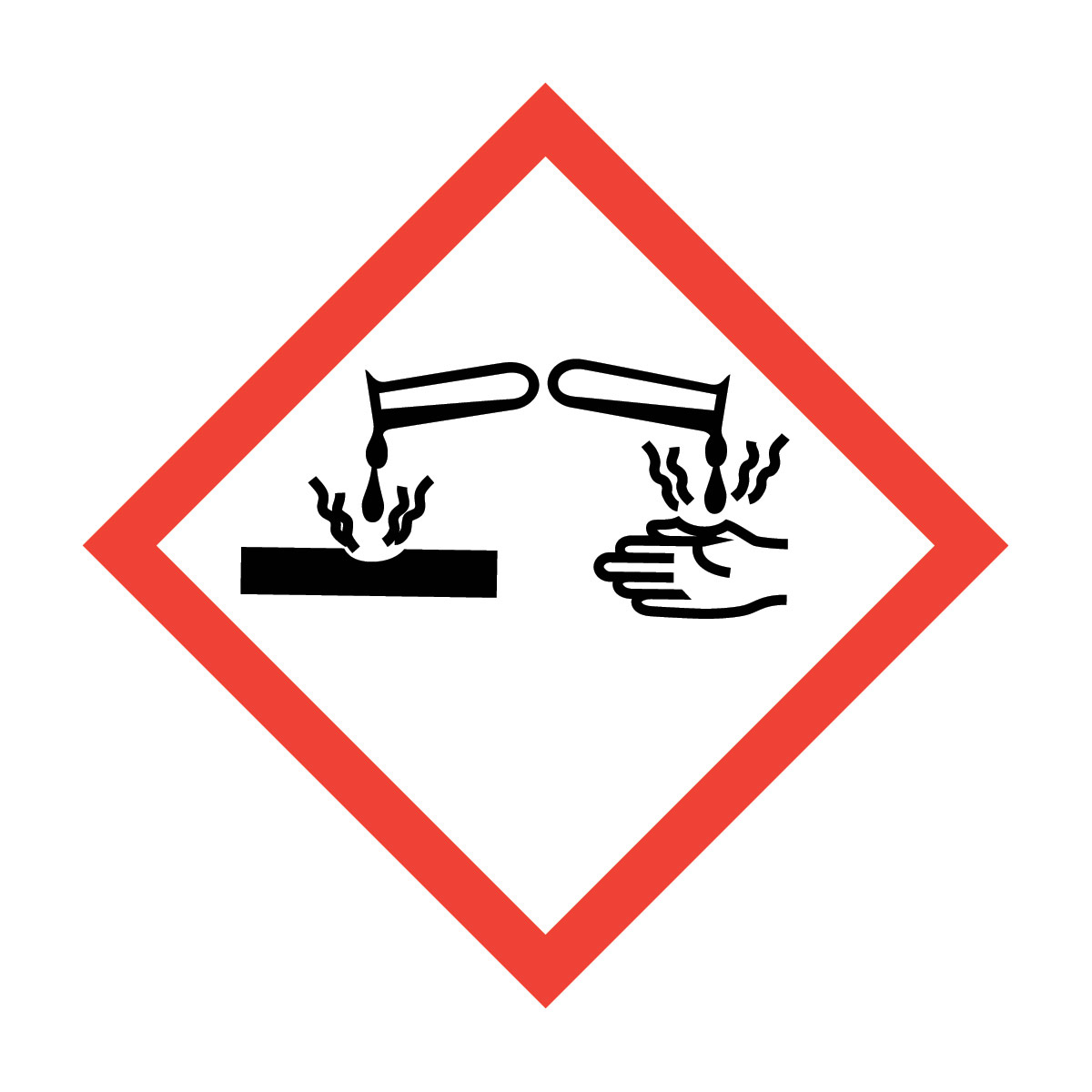
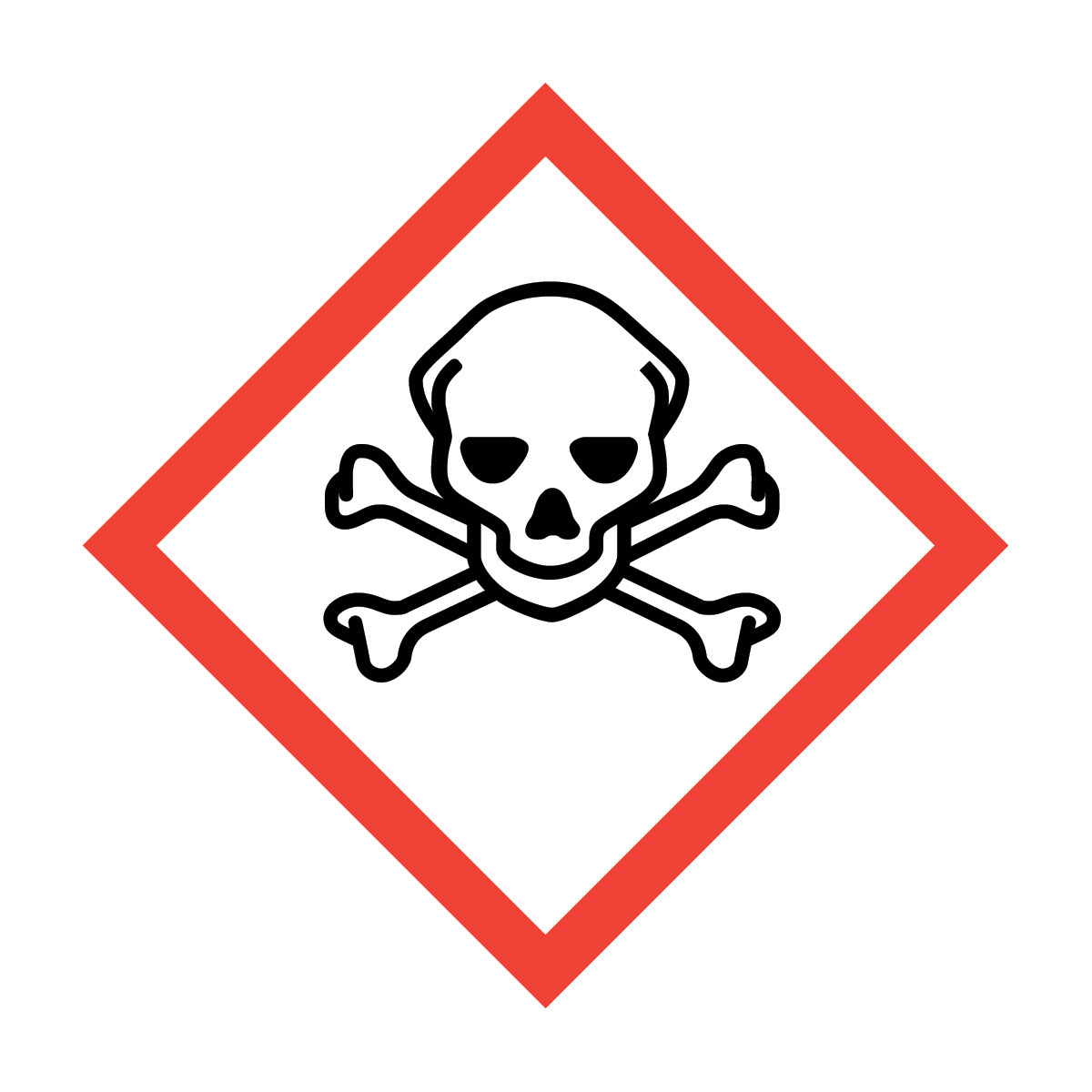
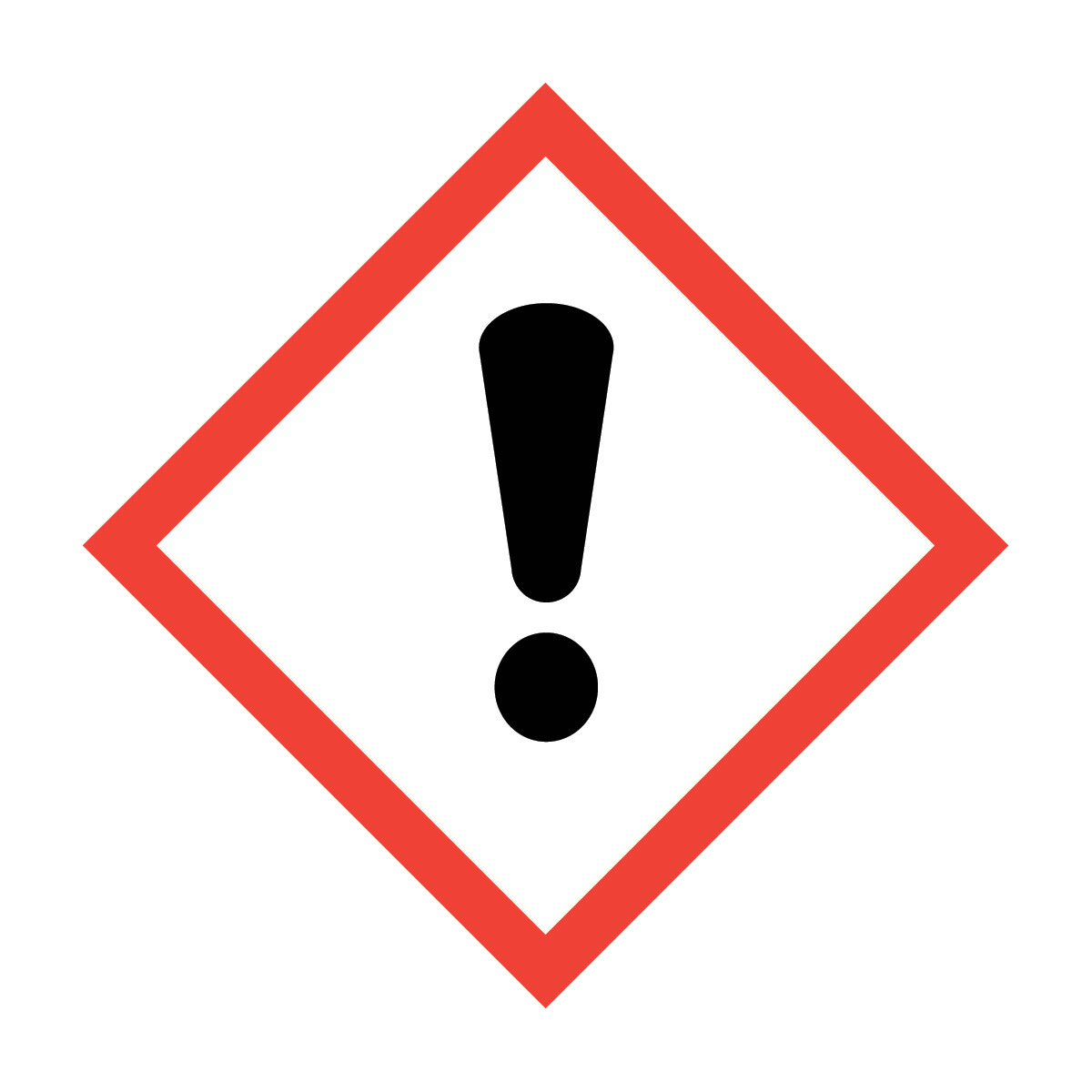
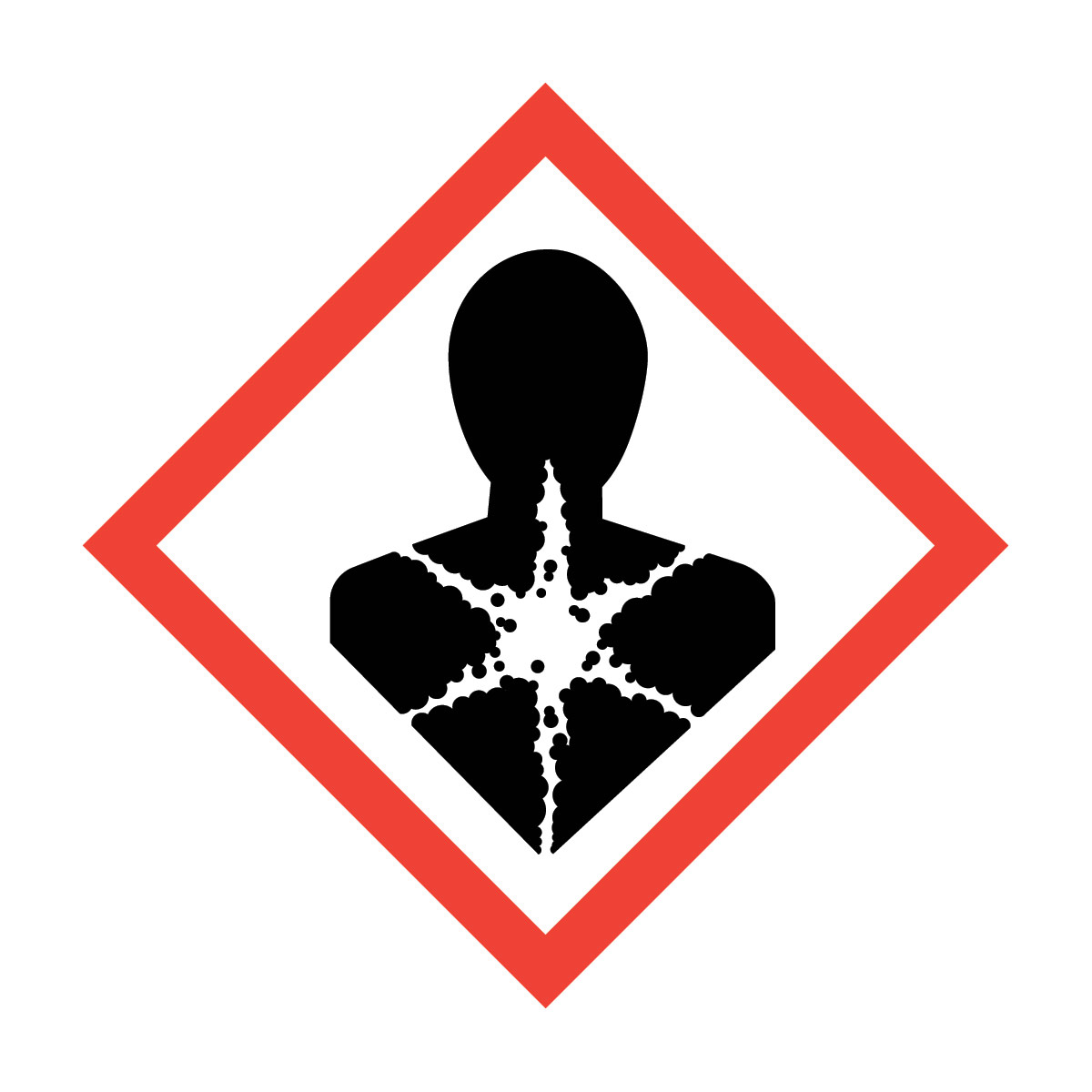
Understanding Hazard Communication Pictograms for GHS Labels
GHS chemical labels provide essential information about the hazards of a chemical and the precautions needed for safe use. Following these elements is crucial to meeting GHS label requirements, and consistent labeling helps reduce confusion and errors in chemical handling. Each label includes:
- Product Identifier: The name or code used to identify the chemical.
- Signal Words: “Danger” or “Warning” indicate the severity of the hazard.
- Hazard Statements: Standard phrases describing the chemical’s risks.
- Precautionary Statements: Instructions on how to minimize or prevent adverse effects.
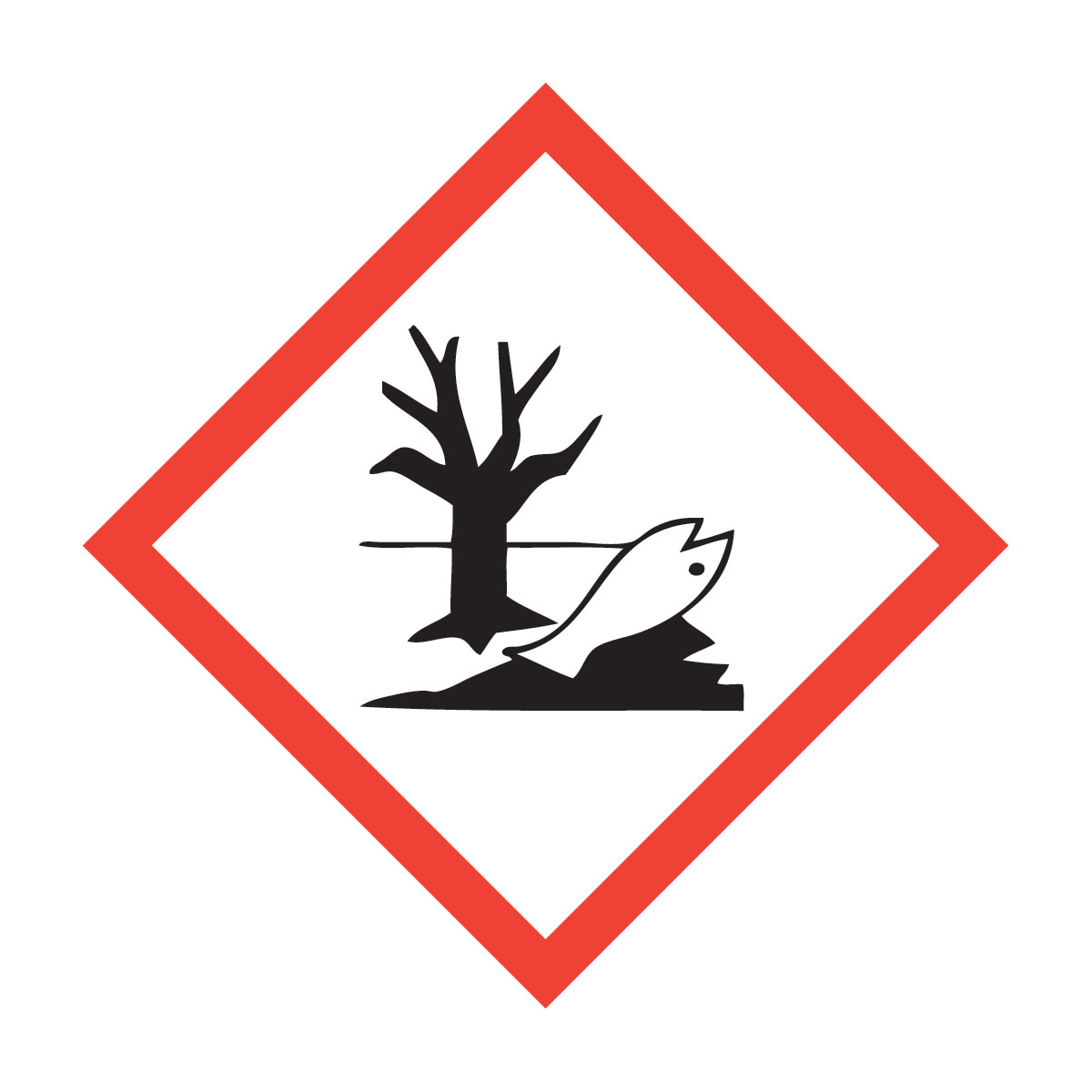
- GHS Pictograms: Red diamond symbols that visually represent health, physical, and environmental hazards.
- Supplier Information: Company name, address, and contact number for responsible parties.
Hazard Classifications and Categories
GHS divides chemical hazards into three main groups:
- Physical Hazards: Chemicals that pose physical dangers, such as flammable liquids, explosives, or compressed gases.
- Health Hazards: Chemicals that affect human health, including carcinogens, irritants, or respiratory sensitizers.
- Environmental Hazards: Chemicals harmful to aquatic life or the environment.
Each group contains specific classes and categories. Compliance with GHS labeling requirements ensures that hazards are clearly communicated and understood.
Container and Packaging Labeling
GHS requires different labeling depending on container size:
- Small Containers (<100 mL): Simplified labels with product identifier, pictogram, signal word, and manufacturer info.
- Tiny Containers (≤3 mL): Only the product identifier is required if it does not interfere with use.
- Bulk Shipments: Labels can be electronic or included with shipping papers.
Ensuring that your chemical containers follow these requirements protects workers and ensures compliance with OSHA and international standards.
Benefits of Following GHS Label Requirements
Implementing proper GHS chemical labels and labeling procedures provides several benefits:
- Reduces workplace accidents and health risks
- Simplifies international shipping of chemicals
- Ensures compliance with OSHA and other regulations
- Improves operational efficiency and safety training